
Why supporting unpaid carers strengthens society, and why locally led action matters
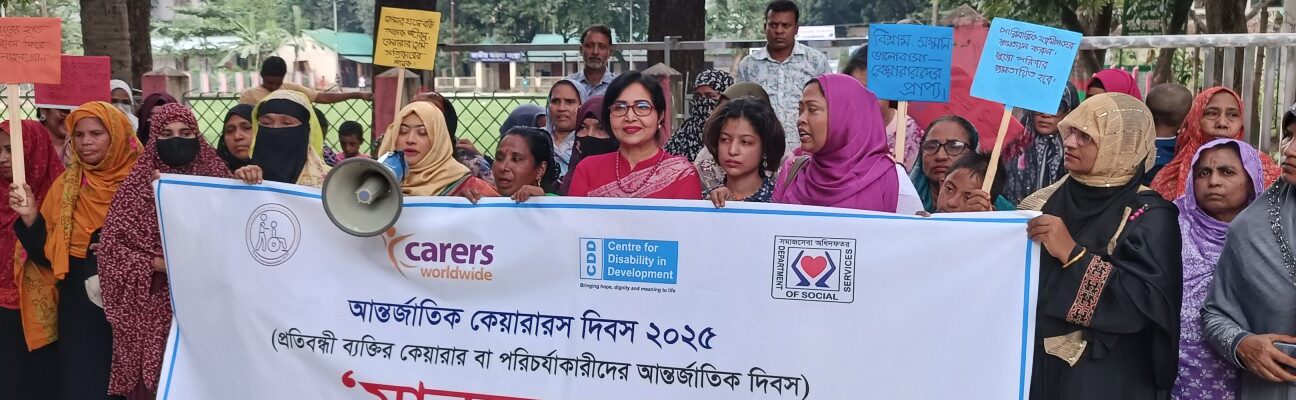
It is Carers Week, a time to raise awareness of unpaid care, highlight the challenges unpaid carers face and recognise their contribution to families and communities.
While Carers Week focuses on the situation in the UK, the challenges faced by unpaid carers in low- and middle-income countries, such as in South Asia, are often even more acute.
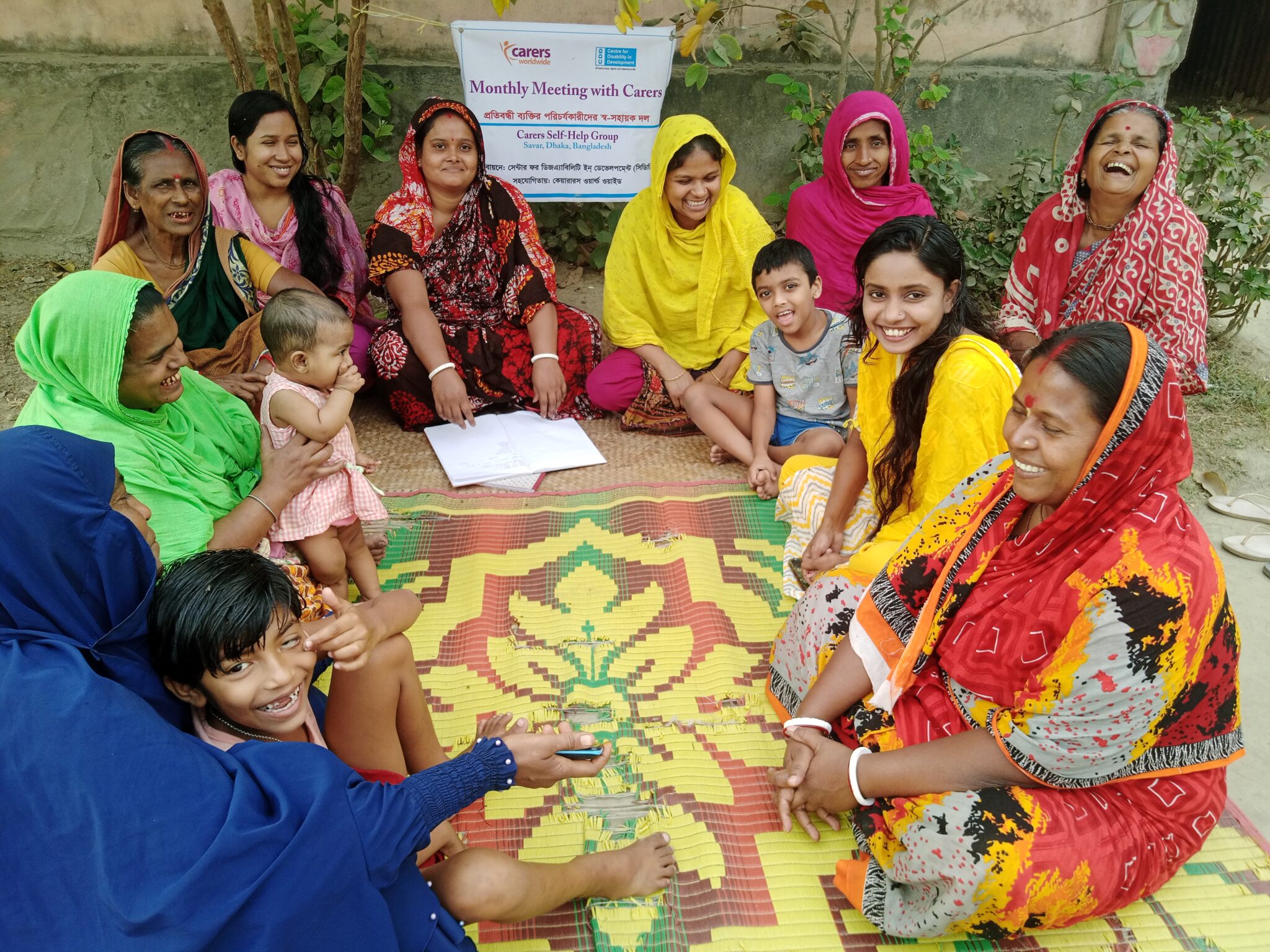
Across India, Nepal and Bangladesh, millions of unpaid carers quietly sustain their families and communities.
They often provide round‑the‑clock care to loved ones with disabilities or long-term health conditions, with no recognition or support and while facing stigma, social isolation and extreme financial pressure.
When I founded Carers Worldwide, I did so with a simple belief: no society can thrive if it overlooks the people who hold it together.
The well-being of carers is something we should all be invested in. We will all care, or be cared for, at some point in our lives. When carers are supported, families are healthier, children stay in school, people with disabilities access services and communities become more resilient.
The hidden workforce: unpaid family carers in South Asia
Across South Asia, caring for ageing parents, disabled children or chronically ill relatives is viewed as a family duty, an act of love and obligation.
This means unpaid carers’ vital work is often unseen and undervalued, but without them, social systems would falter. Their care preserves dignity and human connection. Yet it often comes at great personal cost.
Carers Worldwide seeks to change that narrative, to remind the world that caring for others is not just a private duty but a shared social responsibility.
The hidden cost of caring
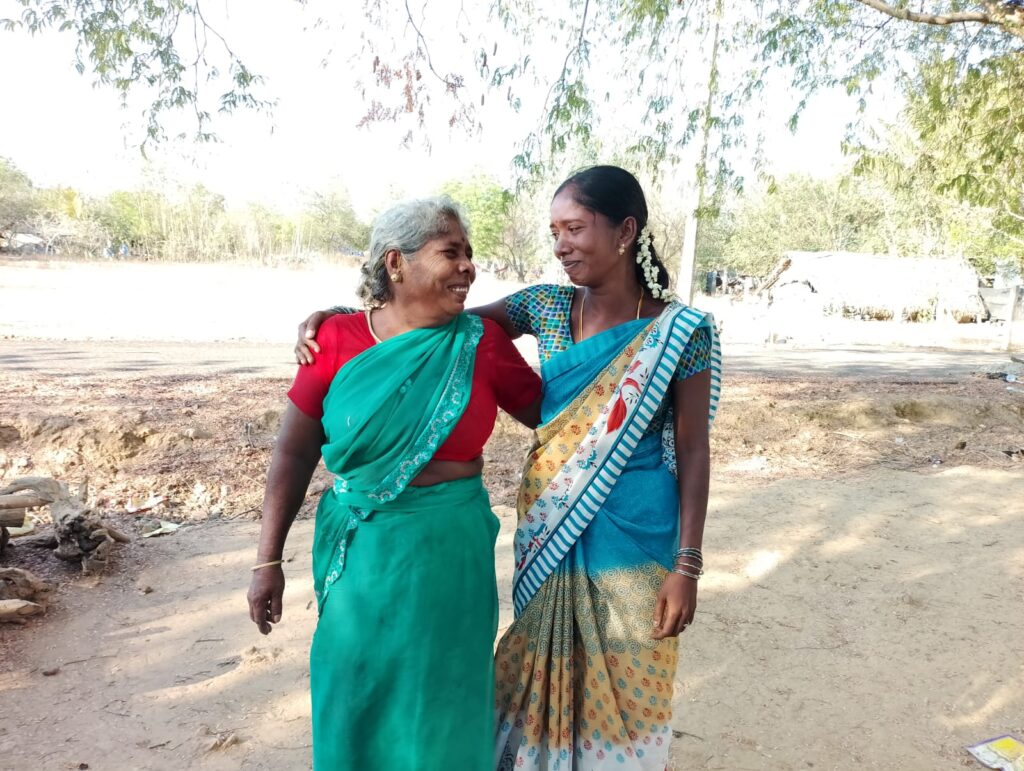
Our research across South Asia shows that 89% of family carers suffer from anxiety or depression and 92% worry about not having enough money to meet basic family needs. Almost half (48%) worry about their own health but are often unable to seek medical treatment because they cannot leave the person they care for, or because it costs too much.
These are not just individual struggles, they are systemic failures. And that is why I wanted our work to be more than service delivery. It had to be locally led and sustainable.
Locally-led change through National Carers Alliances
One of the most powerful ways we support unpaid carers is by helping to establish National Carers Alliances. These are coalitions of unpaid carers, grassroots organisations, disability groups, academics and advocates. These alliances raise unpaid carers’ visibility, influence policy and ensure carers’ voices shape decisions that affect them.
In India, Nepal and Bangladesh, these alliances have become trusted platforms for dialogue with government departments, social services and civil society. They are carer led and rooted in local realities. Their advocacy has already contributed to major policy shifts, and they continue to grow in influence.
Our goal is not pity, it’s power. We don’t want to be hidden helpers. We want to be recognised citizens shaping the future of our countries.
Mahbubul Monir, carer and President of the Carers Alliance Bangladesh
Policy wins that show what’s possible
These recent policy wins have shown just how powerful locally‑led advocacy can be.
Carers allowance in Karnataka, India
After years of collective campaigning by Carers Worldwide, our partner organisations and unpaid carers, in 2024, the Government of Karnataka, India introduced a carers allowance. In March 2025, the government extended the allowance to include seven disability categories. This marked a significant step towards recognising and supporting unpaid family carers’ invaluable contributions. This is not just about the money, it is dignity and validation for carers and what they do.
Carers ID cards in Savar, Bangladesh
In Bangladesh, with our charity partner Centre for Disability in Development (CDD), we worked closely with the local social services department to introduce Carers ID Cards. These give unpaid carers priority access to essential services, especially in health facilities. Carers report shorter waiting times, smoother access to treatment and, perhaps most importantly, a sense of being seen and respected.
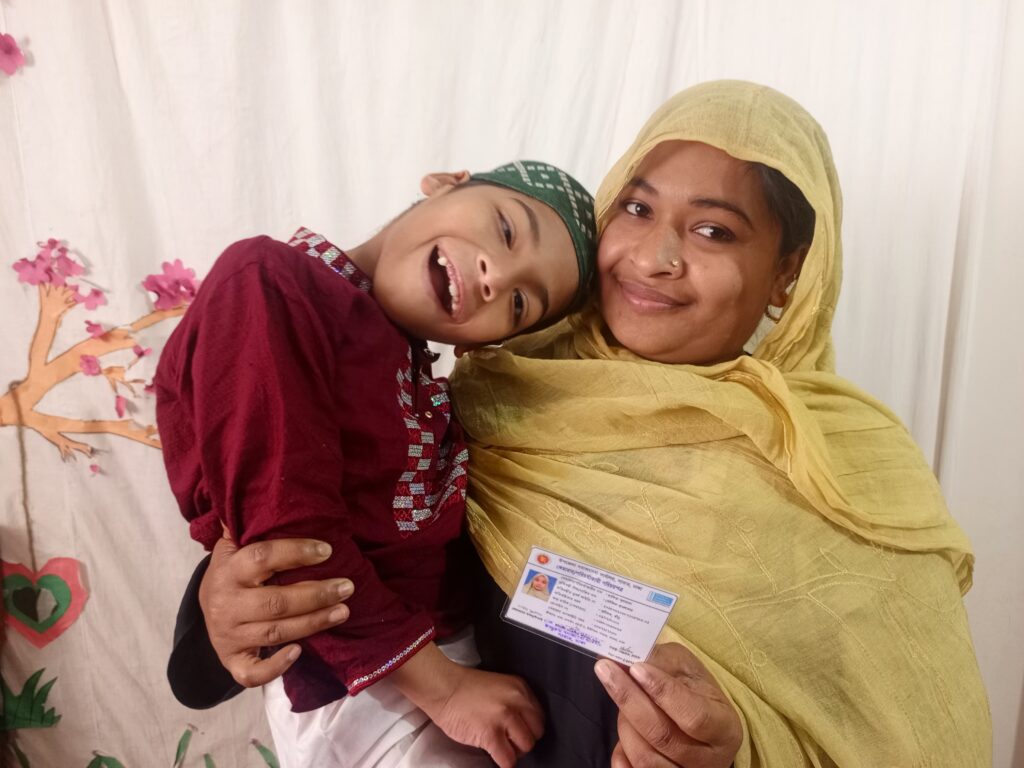
As Takiya, a carer from Bangladesh, puts it:
I showed my ID card at a government hospital and was able to get medical treatment quickly. For the first time in my life, I received such respect and prompt treatment.
A partnership model that builds long-term capacity
From the beginning, I knew we didn’t want to create dependency. Our role at Carers Worldwide is not to ‘deliver’ solutions, but to strengthen the organisations that are already working in their communities, supporting those who need care. We help these organisations expand their services to include the unpaid carers of those they currently support.
By partnering with local charities, we ensure that our Carers Worldwide Model is implemented in a way that is culturally sensitive and effective. Our goal is for local partners to become self-sufficient, which allows us to extend our support to new regions and communities.
To do this, we have developed a partnership pathway with two stages:
Stage 1: Implementation Partners
These are organisations that receive funding, training and hands‑on support from Carers Worldwide to develop programmes for unpaid carers, such as Carers Groups, mental health support, livelihood initiatives and respite services. Together, we co‑design approaches that are culturally relevant and sustainable.
Stage 2: Resource Partners
As partners gain experience and confidence, they become Resource Partners. They no longer rely on our funding. Instead, they share their expertise with new Carers Worldwide partners, local service providers and government departments. This creates a multiplier effect: knowledge spreads, capacity grows, and carers benefit far beyond the reach of any single organisation.
This model ensures that change is locally led and sustained.
Why this work matters now more than ever
As global challenges such as ageing populations, rising disability rates and economic pressures intensify, the role of unpaid carers will only grow. So too must our commitment to supporting them.
Supporting carers is not charity. It is smart social investment. It strengthens health systems, reduces poverty and builds more inclusive societies. And when this work is led by local organisations, rooted in community knowledge and driven by carers themselves, the impact is deeper and more enduring.
Related content

Organisational capacity strengthening: why generic training is not enough
Liubov Rainchuk explains how World Jewish Relief has shifted from being a “donor-monitor” to a “partner accelerator” by taking a new approach to capacity strengthening. What are the four levels of partner needs?

Ecology and empowerment
How is ecology and empowerment linked when it comes to international solidarity? Contributors from seven countries have attempted to provide some answers to this question in a new book coordinated by the F3E network. Isabelle Moreau shares the key findings.
AI could be a lever for localisation – but genuine partnership and investment is needed
From a year of dialogue with humanitarian practitioners across the ecosystem, the message is clear: AI could be a genuine lever for localisation – but only if there is renewed thinking, partnership and intentional investment, Ka Man Parkinson at Humanitarian Leadership Academy argues.
