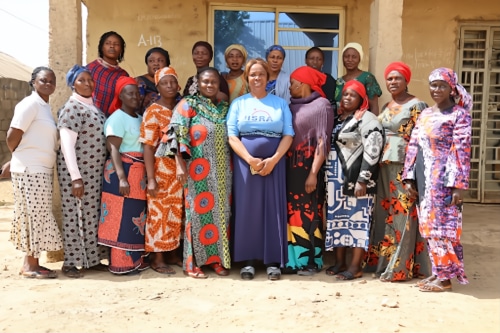
How is ecology and empowerment linked when it comes to international solidarity? Contributors from seven countries have attempted to provide some answers to this question in a new book coordinated by the F3E network. Isabelle Moreau shares the key findings.
From a year of dialogue with humanitarian practitioners across the ecosystem, the message is clear: AI could be a genuine lever for localisation – but only if there is renewed thinking, partnership and intentional investment, Ka Man Parkinson at Save the Children argues.
Many of us are grappling with how we can make INGOs more effective. As SOS Children’s Villages UK begins its new chapter as Right to Childhood, Alison Wallace and Harpinder Collacott share how a clear set of guiding principles can help organisations make difficult decisions at pace.
The idea of “empowerment” is prominent in humanitarian and development discourse. But it is time to look more closely at what we mean by it, argues Myriam Castaneda Solares at Start Network.
Alexandra Newlands of the Scaling Up Nutrition Civil Society Network follows up on her previous blog about stalled localisation, asking whether decision-making and funding are actually moving closer to where impact happens.
Most people in our sector want localisation to succeed. So why is it stalling? Alexandra Newlands at the Scaling Up Nutrition Civil Society Network shares patterns that show up in her conversations with network members.
Four young advocates reflect on the idea of radical accountability and a 10-point plan that could usher in an era of genuine youth-adult partnership.
Comic Relief, along with the Development Engagement Lab, asked the British public who should lead international development, and the answers suggest that genuine localisation is not only possible, but wanted.
Tearfund’s Katharina Rauduz Haque reflects on a 50-strong civil society partnership to advance freedom of religion and belief, which made power shifting a priority. What are the three limits to localisation in the current development architecture?