Re-imagining the future of the INGO
Mary Ann Clements, co-lead of ADD, reflects on the changes the organisation has made so that funding can flow more freely and directly to disability justice movements in other countries.

Mary Ann Clements, co-lead of ADD, reflects on the changes the organisation has made so that funding can flow more freely and directly to disability justice movements in other countries.
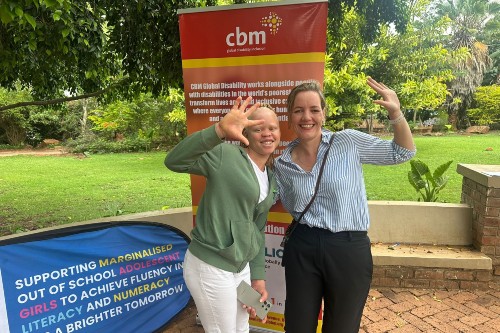
Through strong partnerships, inclusive teaching and vocational training, an education programme for adolescent girls in Zimbabwe is helping thousands of marginalised girls – including girls with disabilities – build brighter futures.
Sierra Leonean youth advocate, Sovula Bockarie, on why the global community must stop treating inclusion as an afterthought and start treating it as architecture.
As Britain’s newest prime minister gets underway, CBM UK CEO and Chair of Bond, Kirsty Smith OBE, reflects on how Andy Burnham and his new cabinet should connect his desire for renewal at home with responsibility abroad.
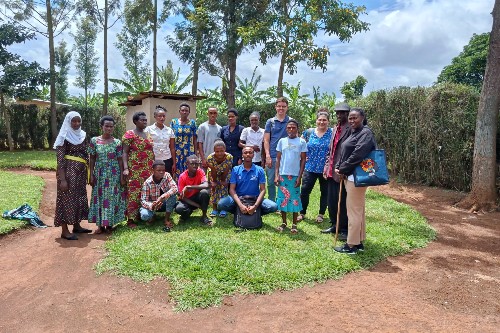
In Rwanda, as in many under-resourced countries, deaf people are often left isolated, unable to communicate beyond their immediate family. Rosa Mutchnick shares the breakthrough that resulted in a new shared language.
What Inclusive Futures has learned from designing and delivering disability-inclusive interventions at scale.
As the UK marks Neurodiversity Week (16-20 March), Railway Children reflects on the unique strengths different minds bring to their organisation, the rich potential of the young people they support and why they’ve established a Neurodiversity Working Group to ensure every kind of mind can thrive.
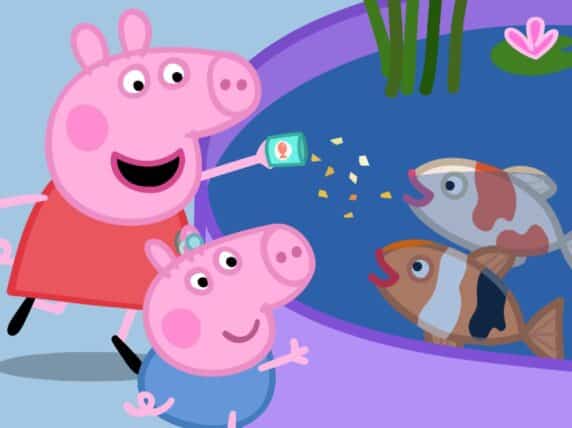
This March, the deaf community has found a new ally in the beloved children’s television show. Deaf Child Worldwide tell us more on World Hearing Day.
Disability overlaps with many inequalities – so why don’t disability and inequality activists collaborate more? A new toolkit, based on research in Ghana and Kenya, aims to close that gap.