What is shaping public support for international cooperation? This blog highlights four insights from Bond’s latest research into how the British public feel about “aid”. Jess Crombie, senior lecturer at UAL, and Bond’s Maryam Mohsin writes.
 Report
In the UK, there is still a strong moral instinct to support people facing poverty and crisis. But public engagement is under pressure from low trust, doubts about effectiveness and a lack of connection to people’s everyday concerns. This report brings together 18 months of research on how the British public understands and engages with overseas "aid" and advice about what we can do about it.
New research suggests politicians are mistaking critical media coverage about ODA for public opinion. Correcting this misconception could be a gamechanger, argues Professor Martin Scott and Dr Paul Clist.
What are the six impact pathways? Faith Pienaar from International Budget Partnership explores what applying them revealed about how government responsiveness works in practice and what the evaluation found about what actually drives sustained impact.
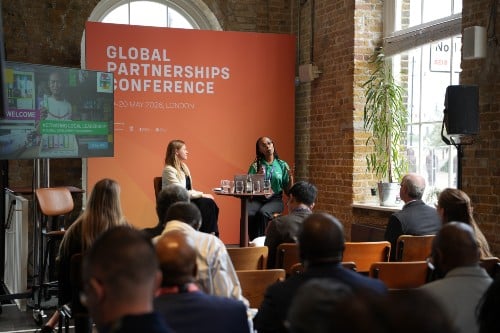
Jiu-jitsu politics, the Global Partnerships Conference and Britain’s muddled role in a transitional order. Dr Sherine El Taraboulsi-McCarthy explores where we go from here.
Policy content can be technical, nuanced and written for specialist audiences. That’s why Women for Women International explores how we can turn policy research into communication that actually engages the public and drives action.
New research highlights how reductions in government aid shapes public attitudes and real donation behaviour, with practical implications for organisations navigating today’s fundraising landscape.
The Independent Commission for Aid Impact (ICAI) – the UK’s independent aid watchdog – was unexpectedly is back in the news, as MPs were told that its future may well be in doubt…again.