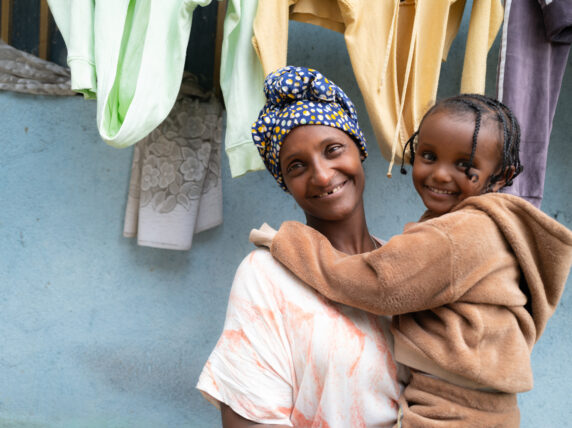
What difference can supporting children and caregivers together make for families living in fragile contexts? Matthew Banks explores a dual-generation programme in Woliso, Ethiopia, and what new research reveals about its impact on parenting, wellbeing, financial resilience and community trust.
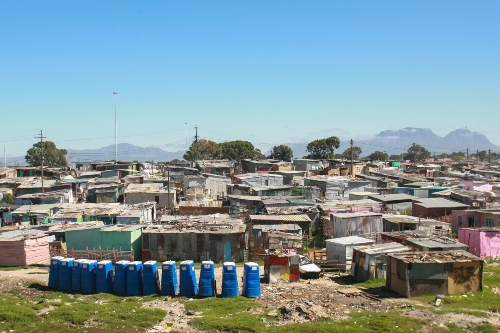
How can South Africa improve sanitation in informal settlements when temporary solutions have become permanent? Drawing on six years of monitoring, Claudine Mailovich, Chumile Sali and Marianne Fabian set out six practical ways to fix the sanitation issues.
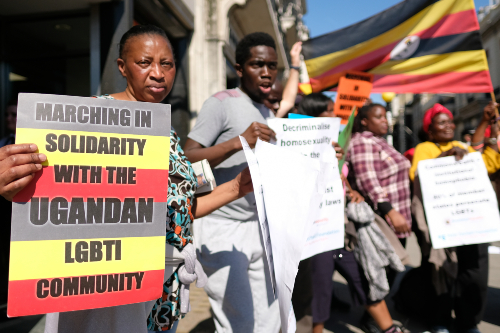
Uganda’s Anti-Homosexuality Act has come to symbolise far more than a national legal shift, argues Edward Mutebi. It reflects a broader and increasingly coordinated movement shaping the future of human rights across Africa.
Stella Opoku-Owusu, AFFORD, and Bond’s Katherine Strasser-Williams reflect on the Africa at the Centre Convening in Accra in September. What does it really mean to put African voices, leadership and agency at the centre of development?
From makeshift clinics in Myanmar to medical training in Syria, healthcare workers are keeping services running and strengthening health systems, despite conflict. Louise McGrath at Global Health Partnerships shares four lessons from their experience for anyone who funds or supports healthcare in fragile and conflict-affected states.
Will Sewell on why the notion of fairness may resonate more with the British public than other narratives about development assistance. Could this reframing help build greater public support?
Maritz Cloete, Director of Risk Advisory, highlights the recent humanitarian data breaches which revealed the risks associated with poor data governance and the rapid adoption of AI. How can your organisation protect itself and others?
As FCDO transparency declines, Bond calls on the department to set out a comprehensive international development strategy. Today, Wednesday 4…
When did we allow the pursuit of private finance to be elevated from a means to an end? Jessica Woodroffe asks: In the race to be “relevant” and “innovative” and – if we’re honest – to shore up our own declining coffers, are civil society organisations failing to ask the right questions?