
To remain relevant, philanthropy needs to embrace risk
Anyone working in philanthropy today will tell you this is an unprecedented moment.
The world feels like it’s on fire, from escalating conflicts to the erosion of international law. Devastating public aid cuts by western governments, including the US and UK, have upended the global nonprofit sector, driving demand for private funding and testing donors’ ability to best direct their dollars.
At the same time, state actors are using legal leverage to restrict civic space and stifle progressive movements. Bond’s own analysis has found that civic space in the UK has been severely damaged – under both Labour and Conservative governments – by growing limitations on the right to protest and an increase in threats against charities driven by divisive narratives and far right actors.
This confluence of crises has put enormous pressure on traditionally stable philanthropic institutions. Some institutional and philanthropic donors have responded by retreating from politically contentious causes – including the genocide in Gaza, racial justice, LGBTQ+ equality and human rights – in favour of safer issues like education and healthcare. Others have stopped funding in certain countries entirely, citing hostile operating conditions.
For those unsure how to navigate these new risks, there is a great temptation to take the road of least resistance. That is not the logic of a world on fire. We need to be throwing water on the problem – not standing cautiously by, hoping it doesn’t spread to our house.
The need for philanthropy to embrace bold, creative ways of moving money
Don’t get us wrong: we work in leadership roles at a grantmaking organisation with staff in the UK, US and across the Global South, so we know these are not simple decisions. Funders face ever-increasing pressures, and the current political context – both around the world and in the Global North, where much of the philanthropic sector is based – is testing us all.
But government restrictions on civic space and cross-border funding are intentionally meant to make things more difficult and expensive for progressive philanthropy. If we’ve learned anything from pressure campaigns against other civic institutions, it is that we will not save ourselves by retreating from our values or staying on the sidelines. We can look at what has happened to law firms, media outlets and universities in the US for an instructive lesson on the dangers of such appeasement.
Instead, philanthropy must embrace bolder, more creative ways of moving money. When authoritarianism takes root and the democratic process is threatened, traditional forms of social-change work, such as formal policy advocacy, become less effective.
As funders, this requires us to think more creatively and more long term about our investments. That begins with recalibrating our threshold for risk, in terms of both who we support and how we do it.
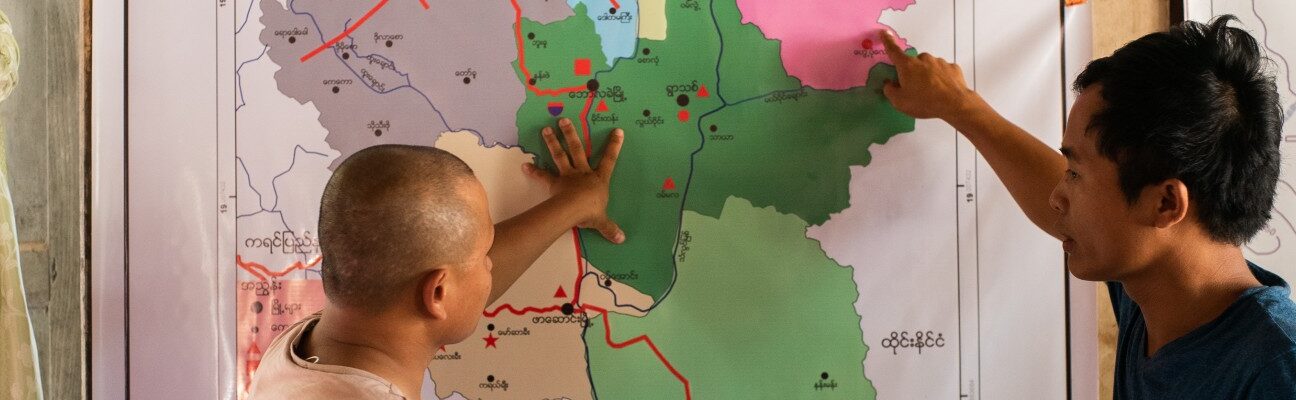
Systemic change begins at the grassroots, powered by people not policymakers. But grassroots groups and movements have traditionally been outside the purview of big philanthropy. These are resilient collectives working in communities, building coalitions and supporting those hit hardest by repressive governments. Some of them are unregistered or informal. Their impact isn’t measured in project cycles but in years and decades of slow, deliberate work that challenges entrenched injustice and transforms the status quo. Many large donors shy away because funding them is unpredictable and therefore seems too risky.
Facing today’s challenges, however, we have to ask: what carries a greater risk? Funding frontline movements that might work in different ways than we are used to? Or continuing to back work that has historically been safer but might no longer be as effective
We have learned over years of experience that supporting this kind of community-level work is not inherently riskier than funding large international organisations. But it requires investment in sophisticated grants management systems to ensure thorough due diligence and regulatory compliance. Many philanthropic institutions have these teams in place already. Those who don’t can partner with grantmaking intermediaries, which specialise in navigating complex contexts.
Shifting from the status quo
Not every investment will pay off. That is the reality of working in turbulent, uncertain times. But we will not emerge from the existential crises we face by making safe bets on the status quo. The post-war system – in which philanthropy was largely a partner to state power – is breaking down. To remain relevant, philanthropy must accept that this rupture makes our work both riskier and more important than ever.
Some notable donors and institutions are leading the way. MacKenzie Scott has given billions of dollars in unrestricted gifts to intermediaries and community funds, who, in turn, have channelled those resources to grassroots groups. The MacArthur Foundation has increased its payout to at least 6%, pouring US $150m more into the ecosystem because they understand there’s no point saving for a rainy day when we’re in the middle of a storm. In the UK, the National Lottery Community Fund just launched a multiyear, multimillion-pound commitment to 10-year core funding grants for community-led organisations. These are encouraging signs.
What everyone says is true: this is an unprecedented moment for philanthropy. It demands an equally exceptional response. Right now, uncertain investments and political pressure are far from the biggest threats we face. The real risk is doing nothing at all.
Related content
What will it take to make localisation a reality? Part two
Alexandra Newlands of the Scaling Up Nutrition Civil Society Network follows up on her previous blog about stalled localisation, asking whether decision-making and funding are actually moving closer to where impact happens.

Re-imagining the future of the INGO
Mary Ann Clements, co-lead of ADD, reflects on the changes the organisation has made so that funding can flow more freely and directly to disability justice movements in other countries.

Your website as a governance asset: managing risk during change and scrutiny
Why it’s time to stop thinking about your organisation’s website solely as a communications tool. Eric Phung unpacks the common ways NGO websites undermine organisational credibility and explains why treating your website as core infrastructure can help build trust and resilience.

Category
News & views