

Africa’s adolescent cohort is growing fast. Can parenting support help?
Adolescence is a critical developmental period that shapes long-term health and wellbeing.
As a result, improving adolescents’ mental health, reducing violence that affects adolescents and strengthening family relationships have been a focus of many government and NGO initiatives.
While there is strong evidence from controlled trials that these interventions are effective, less is known about whether they remain effective when delivered at scale through routine government and NGO services.
This question is becoming increasingly important as Africa’s adolescent population is projected to reach almost half a billion by 2050, and governments and NGOs look for approaches that are effective, affordable and scalable.
Filling the evidence gap
A new study, undertaken by researchers from the University of Oxford, University of Cape Town and partners from eight African countries, provides strong evidence that these parenting programmes can achieve meaningful impact at scale.
The research examines World Health Organization and UNICEF-endorsed programmes developed by Parenting for Lifelong Health, which were delivered through government and NGO systems – many funded by USAID and PEPFAR – in Botswana, Democratic Republic of the Congo, Eswatini, South Africa, South Sudan, Tanzania, Zambia and Zimbabwe.
Analysing data from more than 123,000 caregivers and adolescents collected between 2016 and 2022, the researchers found substantial and consistent benefits across diverse settings, including low-resource and humanitarian settings.
Reduction in violence against teenage girls by over 60%
The findings showed major reductions in violence and harmful practices experienced by adolescents, particularly teenage girls.
Physical abuse fell by 65%, while emotional abuse declined by 59%. Approval of corporal punishment also dropped significantly, falling by 55%, suggesting a shift in attitudes within households and communities.
Join Bond’s Child rights Working Group
Help put children and their rights at the forefront of the UK’s policy and practice on international development and foreign policy.
Join the Working GroupImprovements in parenting practices and mental health
The programmes also brought about significant improvements in parenting practices.
Positive parenting practices – such as talking openly with children, spending one-on-one time together, and discussing friendships – increased by 52%. Meanwhile, poor supervision and monitoring decreased by 48%.
The benefits extended beyond parenting practices as substantial mental health benefits for caregivers and adolescents were also recorded. Caregivers reporting depressive symptoms fell by 25%, and there was a 46% reduction in parenting stress. Adolescents experienced improved wellbeing with a 22% reduction in depressive symptoms and a 43% reduction in behaviour problems, such as fighting with peers and difficulties following adult requests.
Call for governments and NGOs to invest and scale-up
In 2024, over 50 governments committed to expanding parent and caregiver support as part of global efforts to end violence against children. Progress will be reviewed and future commitments made at the Second Global Ministerial Conference in Manila this November.
Drawing on our findings, we urge policymakers and donors to invest in parenting interventions as part of their work to prevent violence against children.
Our research shows that parenting interventions can be delivered at scale and are effective across diverse humanitarian and crisis settings. The findings also suggest that they can be delivered through existing government, NGO and community partnerships.
Crucially, the research highlights the importance of continuing to monitor and evaluate programmes as they are scaled up so we have a full understanding of what works in different contexts.
As Africa’s adolescent population continues to grow at pace, the need for scalable and evidence-based approaches to supporting adolescents and caregivers will also increase. The findings suggest that parenting interventions can play an important role in that response.
The research was led by the University of Oxford’s Professor Lucie Cluver and Professor Jamie Lachman, and Emeritus Professor Francesca Little and Professor Catherine Ward from the University of Cape Town.
Related content
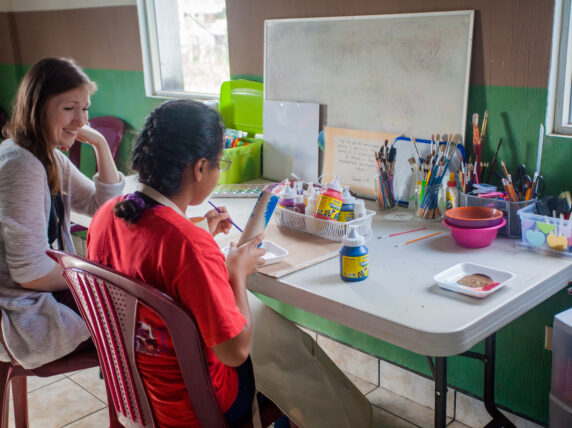
Justice that Heals: a new model to help address the global issue of child sexual abuse
Over 370 million girls and women globally have been subjected to rape or sexual violence as children and many experience devastating, lifelong consequences. Kids Alive International has established a new model to address this global problem.
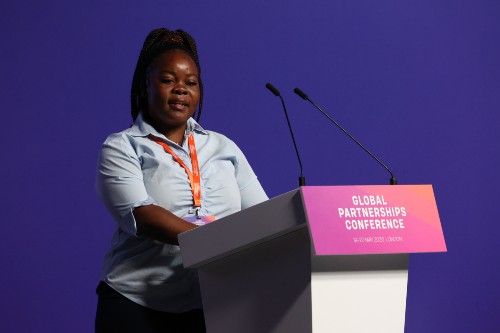
What genuine youth partnership looks like
Four young advocates reflect on the idea of radical accountability and a 10-point plan that could usher in an era of genuine youth-adult partnership.
“Real change does not come from the efforts of a few”: reflections of a UN youth delegate
Aneurin, the UK government UN Youth Delegate, argues that the world cannot wait for leaders to wake-up – protecting and furthering sexual and reproductive rights starts with us all.
