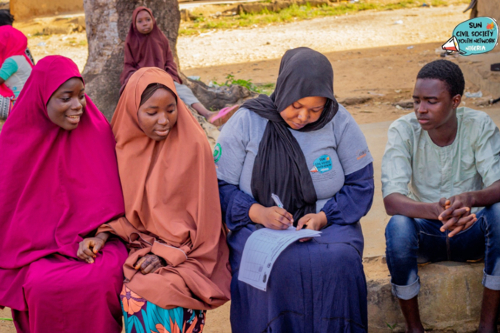
Alexandra Newlands of the Scaling Up Nutrition Civil Society Network follows up on her previous blog about stalled localisation, asking whether decision-making and funding are actually moving closer to where impact happens.
Mary Ann Clements, co-lead of ADD, reflects on the changes the organisation has made so that funding can flow more freely and directly to disability justice movements in other countries.
Why it’s time to stop thinking about your organisation’s website solely as a communications tool. Eric Phung unpacks the common ways NGO websites undermine organisational credibility and explains why treating your website as core infrastructure can help build trust and resilience.
With UK aid falling to its lowest share of national income since 1999, the organisations that come through will not be the ones chasing the most funding. They will be the ones that decided what not to chase. Jonathan M Clarke at MzN International shares more.
Yoma Winder explores how Oxfam tested trust‑based, flexible funding to shift power and support partner‑led work. She shares honest learnings on what it takes for an INGO to become a better partner and ally.
One year on from the gutting of USAID by the Trump administration, our Media Advisor, Emily Loynes, looks back over a period of upheaval and uncertainty for the sector, including many of Bond’s members, and a global aid landscape still coming to terms with its new reality.
Filling in the same due diligence forms over and over again for different funders is frustrating and time-consuming for local organisations. ‘Passporting’ means doing it just once – with approval transferable to other funders. But, says, Dominic Vickers this doesn’t mean funders do less – in fact, they may have to do more.
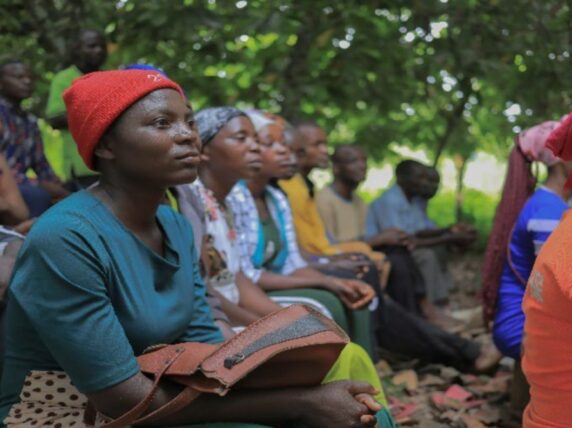
Momentum is building across the development sector to shift power over funding decisions to the communities where the money is being spent. Dominic Vickers reports experiences from organisations that are leading the way.