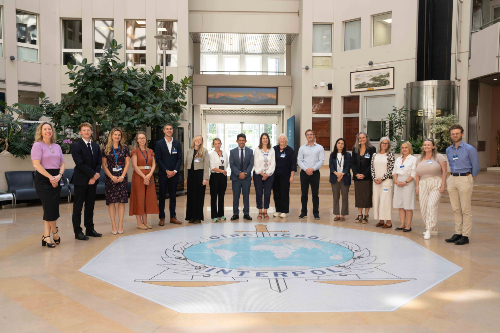
A growing international system is connecting safeguarding, international policing, and accountability. Elizabeth Wright at Project Soteria – INTERPOL share’s how the initiative moved from concept to operational reality.
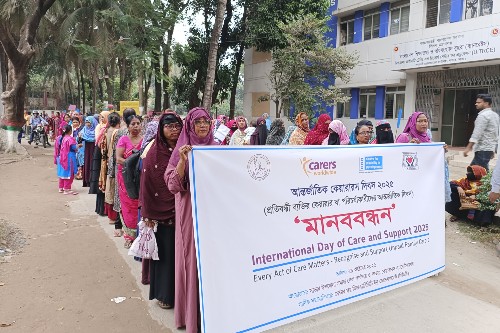
Anil Patil share how Carers Worldwide uses the International Day of Care and Support to make unpaid carers visible. Why does this matter for INGOs and policymakers?
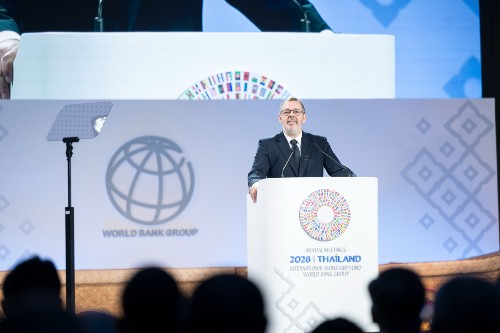
Last week, Bond travelled to Bangkok to attend the IMF-World Bank Annual Meetings. Here, Bond’s G20 and Global Reforms Manager, Maria Finnerty, and Policy Manager for Development Finance, Alex Farley, share their reflections on the UK government’s announcements at the event.
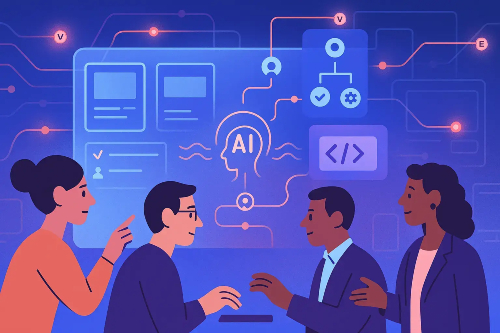
How can AI make evaluation more efficient without compromising responsible practice? Lucia Soldà and Angela Keenan share practical lessons from a Bond workshop on using AI across the evaluation lifecycle.
Liubov Rainchuk explains how World Jewish Relief has shifted from being a “donor-monitor” to a “partner accelerator” by taking a new approach to capacity strengthening. What are the four levels of partner needs?
Today, 14th October 2026, UK Foreign Secretary Ed Miliband has called for urgent reform to a global financial system that…
Rather than starting with a predefined set of indicators, outcome harvesting starts with a change that has happened, then works backwards to determine why it matters, who contributed to it and how. Drawing on eight years of experience, Jessica Schofield at Frontline AIDS shares three key lessons from adopting the approach.
Jess Gleeson, Head of People and Culture at ADD International, explains how the organisation has rethought the way it works as part of its commitment to wellbeing, flexibility and disability justice — and what it learned from a year of trialling a new approach.
How is ecology and empowerment linked when it comes to international solidarity? Contributors from seven countries have attempted to provide some answers to this question in a new book coordinated by the F3E network. Isabelle Moreau shares the key findings.