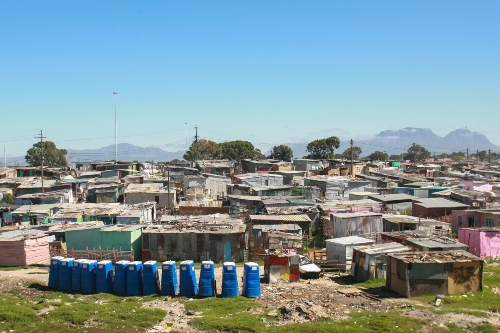
How can South Africa improve sanitation in informal settlements when temporary solutions have become permanent? Drawing on six years of monitoring, Claudine Mailovich, Chumile Sali and Marianne Fabian set out six practical ways to fix the sanitation issues.
Dr Mahmoud Shatat shares the implications of the Middle East conflict on the global WASH response. How can we ensure access to safe water in fragile contexts?
New evidence reveals a hidden injustice at the heart of the global chocolate industry. Dr Nick Hepworth at Water Witness argues there is a clear solution in this new blog.
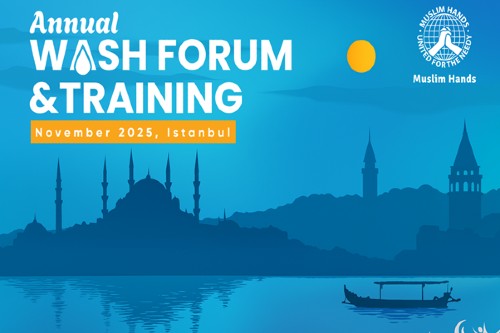
As the water, sanitation and hygiene (WASH) sector faces increasing pressure to do more with less, platforms like the Muslim Hands Annual WASH Forum offer vital spaces for peer-to-peer learning, operational improvement and long-term resilience.
In Kilifi, Kenya, a community foundation is reshaping development by bringing clean water, financial resources and decision-making power into local hands.
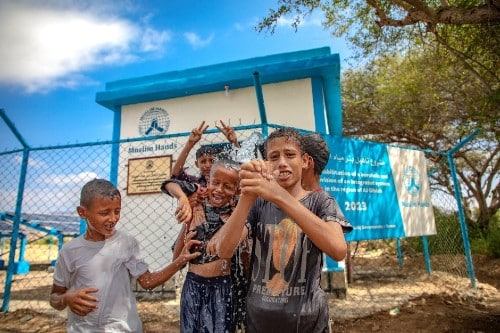
Dr. Mahmoud Shatat takes us through how Muslim Hands donors are providing sustainable safe drinking water to displaced Palestinians
Funding for clean water, sanitation and hygiene has been cut by 80% by the UK government. 18 months on from their open letter to the secretary of state calling for a reversal, Tim Brewer of the UK WASH Network takes us through why the cut needs to be urgently reversed.
Unequal power and decision-making within families is one of the factors that mean women are more affected by the impact of climate crisis. Send A Cow are working to redress the balance with their projects in Kenya.
Governments must act with renewed vigour on targeted interventions on water, sanitation and hygiene to achieve Agenda 2030.