
Webinar
Communications

Report
Narrative values: UK engagement with overseas “aid”
In the UK, there is still a strong moral instinct to support people facing poverty and crisis. But public engagement is under pressure from low trust, doubts about effectiveness and a lack of connection to people’s everyday concerns. This report brings together 18 months of research on how the British public understands and engages with overseas "aid" and advice about what we can do about it.

Politicians aren’t listening to the public on aid. They’re listening to the media.
New research suggests politicians are mistaking critical media coverage about ODA for public opinion. Correcting this misconception could be a gamechanger, argues Professor Martin Scott and Dr Paul Clist.

Your website as a governance asset: managing risk during change and scrutiny
Why it’s time to stop thinking about your organisation’s website solely as a communications tool. Eric Phung unpacks the common ways NGO websites undermine organisational credibility and explains why treating your website as core infrastructure can help build trust and resilience.
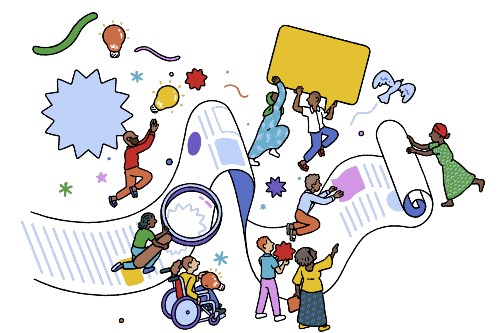
What do the British public really think about shifting the power?
Comic Relief, along with the Development Engagement Lab, asked the British public who should lead international development, and the answers suggest that genuine localisation is not only possible, but wanted.

Participatory development storytelling and the reality of decolonising narratives in humanitarian communications
Brigitte Perenyi on why it’s time to move away from narrow, negative framings in favour of participatory storytelling to show communities’ complexities, agency and resilience in the face of structural constraints.

Beyond the label: values live in the image edit
On why the visuals you select, whether AI generated or not, could be the most significant decision you make when posting content.
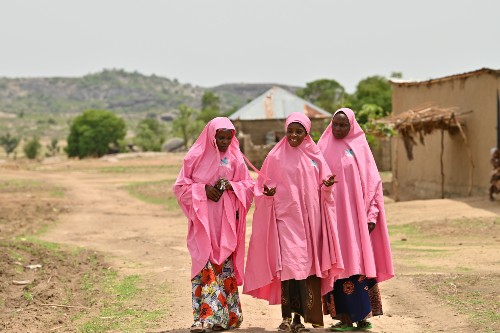
When policy meets communications: how research can move people to action
Policy content can be technical, nuanced and written for specialist audiences. That’s why Women for Women International explores how we can turn policy research into communication that actually engages the public and drives action.

Building narrative power: how we counter the anti-rights movement
Across the world, a growing anti‑rights movement is shaping public debate and gaining disproportionate influence. By spreading powerful narratives online, these groups are weakening support for equality and fuelling cultures of misogyny, racism, homophobia and exclusion.