
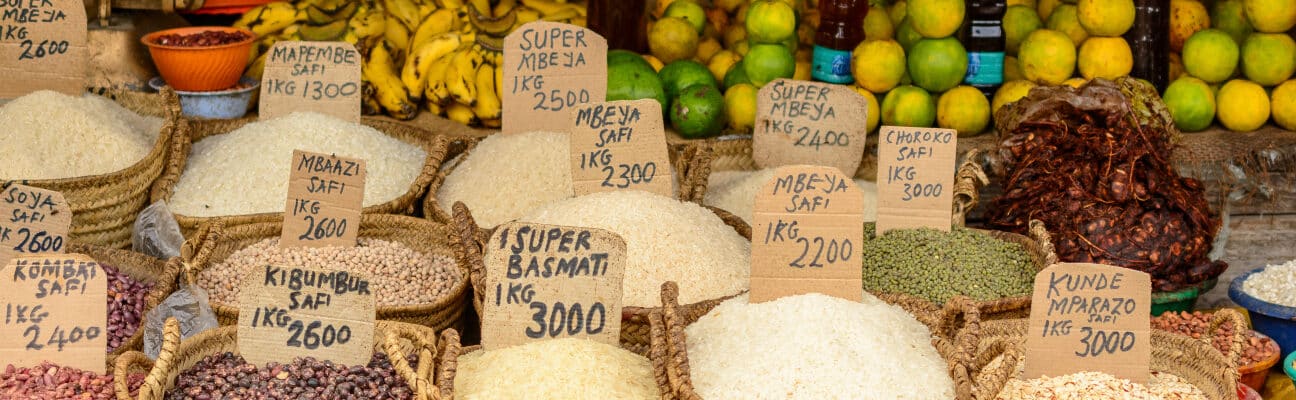
The G20 could transform global trade – if it stops ignoring small-scale producers
As the UK takes on the G20 presidency, it is clear that trade will be high on the agenda.
Disruptions in the strait of Hormuz and predictions of global grain shortages caused by the super El Nino make issues such as supply chain resilience more important than ever. The G20 will want to ensure countries can respond in a way that promotes cooperation rather than self-interest as they seek to protect their populations from further increases in the cost of living.
Recent presidencies have made it the norm to have a trade working group as part of the G20 agenda. The US is focusing on ‘regulatory burdens’, energy supply chains and AI; all staples of the trade policy playbook of recent years.
The South Africa, Brazil and India presidencies took a more progressive stance, underlining the importance of getting trade right, not just for economic development but also for critical issues like food security. More importantly, they started a process that could lead to much better recognition of the crucial role that micro and small enterprises (small-scale producers) play in addressing critical global issues.
Small-scale producers’ vital contribution
Small-scale producers represent more than 90% of all businesses and 60 to 70%of employment worldwide. In the Global South, they are even more important, accounting for more than 80% of employment in both South Asia and sub-Saharan Africa. Because they are over-represented in the informal economy, they provide a large share of the livelihoods of the world’s 4 billion poorest people.
Small-scale producers’ vital role in employment creation is recognised by the International Labour Organization. They are found in diverse supply chains, from critical mineral mining to textile production and waste picking. They also produce up to two-thirds of the world’s food.
Transform Trade partners with small-scale producers in the Global South. We have witnessed over four decades the huge impact small-scale producers can have, both on their local economies and on efforts to tackle climate change.
For example, Tanzania Delicious Cashews started as a group of women farmers who processed nuts by hand to sell from street stalls. They knew it would be more lucrative to be able to sell further afield but faced significant barriers, from knowing where to get the information about how to register to be able to do this, to the sheer amount of travel time required to register.
A mixture of tenacity and luck meant they managed to overcome these barriers. They now work with 6,400 farmers and have secured international contracts for sale (the cashews are also indeed delicious). They have seen an 880% increase in their revenue per kilogramme of cashews. Registration also unlocked access to credit, enabling them to invest in their business and diversify their revenue streams by, for example, turning husks into compost, animal feed and charcoal, all of which contribute to combatting deforestation.
Subscribe to our newsletter
Our weekly email newsletter, Network News, is an indispensable weekly digest of the latest updates on funding, jobs, resources, news and learning opportunities in the international development sector.
Subscribe nowA precarious existence
Despite the importance of small-scale producers to global and national economies and the contribution they can make to global goals, they face significant precarity. These producers are far more vulnerable to the effects of climate change than larger companies. In common with other businesses, they face disruption due to extreme heat, flooding and drought. However, they lack the savings, insurance or credit to mitigate these effects or recover from shocks.
Women-led small-scale producers tend to be at a particular disadvantage because of the increased barriers they face in accessing things like capital and land titles, challenges in travelling to register their businesses or in marketing their goods and services. The lack of safety net can lead to crisis responses such as selling off land or equipment, often below its actual value, further increasing their vulnerability to climate shocks.
In addition to direct climate impacts, small-scale producers can be negatively impacted by government measures to address climate change. For example, under new EU and UK deforestation regulations, there is a significant risk that small scale producers will be cut out of markets because companies may consider it too complicated to prove compliance and switch sourcing to larger-scale businesses. If they do remain in supply chains, there is currently nothing to prevent them bearing a disproportionate share of the cost of implementing the new regulations.
Putting small-scale producers at the heart of the solution
As the G20 considers how to shape a trade system that is capable of playing its part in tackling critical global issues, it must ensure that small-scale producers are at the heart of the conversation.
The UK can build on the progress made under the Brazilian and South African presidencies, ensuring the kind of continuity that is essential to achieving impact. It must ensure it listens to small-scale producers, for example through institutionalised representation with decision-making power in relevant forums.
In Transform Trade’s new report Beyond Aid: Why getting trade right for small-scale producers matters for global goals, we make a number of recommendations, including:
- Address informality. The G20 can send a strong signal that while sustainable pathways to formalisation are important, the sheer scale of the sector means that no-one should be prevented from accessing basic rights because they operate informally.
- Address the specific experiences of women, not just through the narrow lens of ‘women’s economic empowerment’ but also through a recognition of the structural inequalities that are often exacerbated by the trade system.
- Strengthen members’ commitment to regulating supply chains, and adopting and promoting legislation on business and human rights.
- Acknowledge and act on the important role that small-scale producers have in tackling climate change and achieving food security, including through giving them prominence in the Belem Action Mechanism on a Just Transition and decision making around climate finance.
Why getting trade right for small-scale producers matters
It is 24 years since Oxfam estimated that if countries in the Global South increased their share of world exports by just 5%, it would generate US$350bn – seven times as much as they were receiving in aid at the time.
Today, countries in the Global South still have a disproportionately small share of global trade. The G20 must prioritise fixing the global trading system that keeps too many producers poor whilst others profit from their work. As aid budgets shrink, they must look beyond aid and confront the rules, risks and power imbalances that shut small-scale producers out of opportunities to prosper.
This is the moment to put them at the centre of trade policy — not as beneficiaries, but as economic actors who are essential to food security, climate resilience and fairer growth. If the G20 is serious about building a fairer global economy, it must prove it by getting trade right for small-scale producers.
Related content
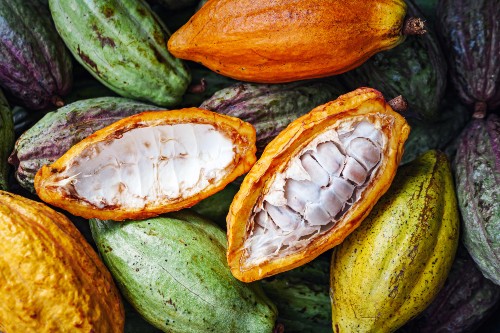
The bitter truth about chocolate: tackling water injustice in cocoa supply chains
New evidence reveals a hidden injustice at the heart of the global chocolate industry. Dr Nick Hepworth at Water Witness argues there is a clear solution in this new blog.

Safeguarding in microfinance: from ‘Nice-to-Have’ to ‘Must-Have’
As we mark the International Day for the Elimination of Violence against Women, let’s remember that ending violence against women begins with ensuring safety wherever women seek opportunity, and that includes microfinance.
The UN Tax Convention: the government’s chance to stand for economic justice
The UN Tax Convention negotiations begin next week. If successful, the convention would mark the beginning of a new era of international tax justice – one where wealth is no longer hoarded by a tiny elite while billions go without the basics. War on Want’s Nuri Syed Corser tells us more.

Category
News & views