
Webinar
Global health

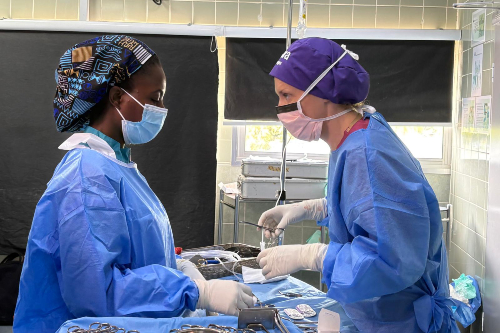
From silos to synergies: how health partnerships can drive integrated emergency care
Tom Bashford at Cambridge Global Health Partnerships explores how well-placed partnerships can drive the systems change needed to increase access to emergency care.
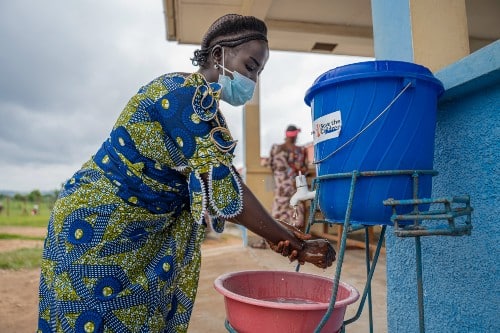
The Bundibugyo wake-up call: why the UK cannot afford to ignore the latest Ebola outbreak
Camila Consolmagno at Save the Children UK and Bea Coates at the International Pandemic Preparedness Secretariat (IPPS) argue why investing in global health security overseas is the only way to guarantee security at home.
“Real change does not come from the efforts of a few”: reflections of a UN youth delegate
Aneurin, the UK government UN Youth Delegate, argues that the world cannot wait for leaders to wake-up – protecting and furthering sexual and reproductive rights starts with us all.
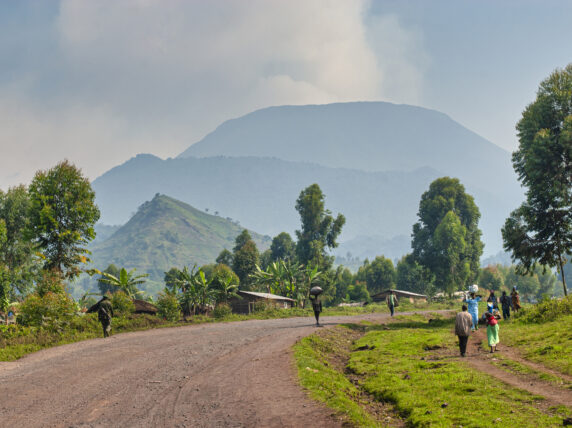
Ebola outbreak in DRC: what is happening, and how Bond members are responding
This May, an outbreak of Ebola was confirmed in the Democratic Republic of Congo and has since spread to Uganda. Exacerbated by ongoing humanitarian crises and ODA cuts, it carries a high risk of spreading beyond borders. How are Bond members responding?
This is the moment: from the UK Global Health Summit 2026 to the Global Partnerships Conference
Global health is in crisis. As two major international health conferences take place, now is the time for the UK to embrace a different model which recognises the mutual benefits of engaging with other health systems and workforces.

What does the NHS owe the countries it recruits from?
The NHS relies on internationally trained staff, and will do so for the foreseeable future. Ben Simms at Global Health Partnerships argues that the UK government needs to match the benefits it gains with meaningful support for the health systems it recruits from.
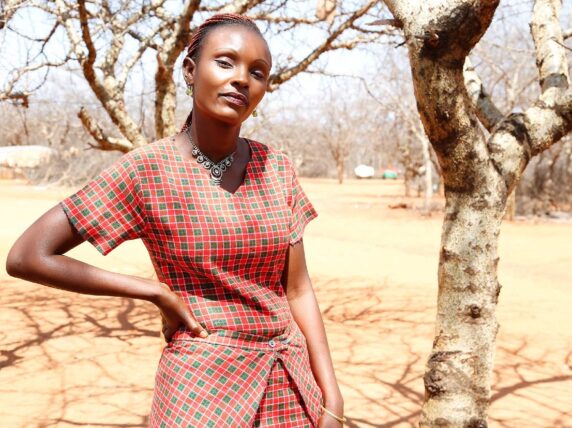
A Human Rights Day call against gender-based violence
As today marks international Human Rights Day, it is a moment to reflect on the commitments made to uphold the rights and dignity of all people. Among some of the most urgent of these injustices is Female genital mutilation, a practice that affects 230 million girls and women worldwide.
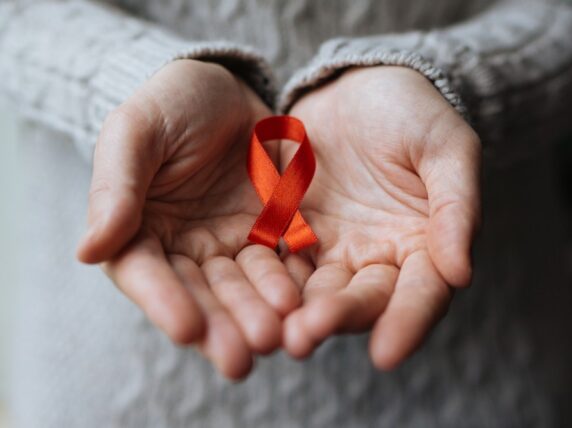
Ending AIDS is possible but only if governments act now
This World AIDS Day, we are reminded that the possibility of ending AIDS has never been so close. But it is not inevitable. The next step depends on continued action, collaboration, and strengthened political will from the UK and other governments around the world.