How is ecology and empowerment linked when it comes to international solidarity? Contributors from seven countries have attempted to provide some answers to this question in a new book coordinated by the F3E network. Isabelle Moreau shares the key findings.
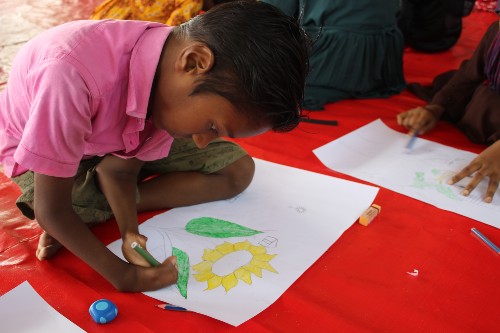
In the move to build “climate resilient” education systems, learners with disabilities are being programmed out of the climate response. Here, Hamish Higginson explores how Sightsavers practice what they preach in Bangladesh.
As policymakers, practitioners, researchers and advocates gather for London Climate Action Week, housing – one of the most powerful adaptation tools – remains largely absent from the conversation.
New evidence reveals a hidden injustice at the heart of the global chocolate industry. Dr Nick Hepworth at Water Witness argues there is a clear solution in this new blog.
Eleanor Rosenbach, co-director of the Corporate Justice Coalition, on how to address the rampant power imbalance between businesses on the one hand, and people and communities on the other.
 Webinar
This session explored the issues facing our sector amid an Atlantic cutback on commitments to overseas aid and climate action.
When women’s rights, voices and priorities are missing from plans, policies address only part of the risk and opportunities, funding bypasses the people who could use it best, and solutions do not match how communities actually adapt. Gender-responsive approaches matter because they help everyone adapt.
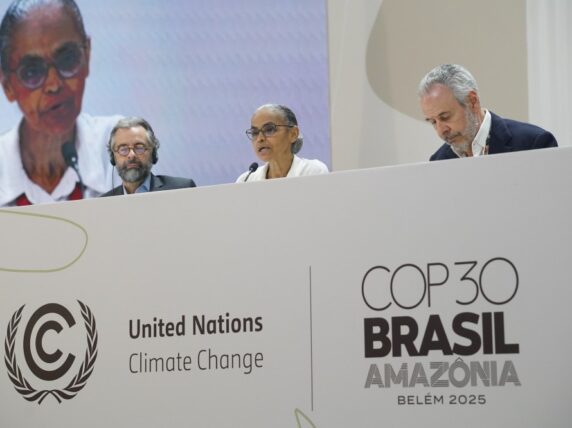
If you read the headlines in the western media over the weekend, you’d be forgiven for thinking COP30 was meant to be about getting an agreement on fossil fuels – but that wasn’t even on the agenda for COP30 – so what was COP30 all about?