
The human cost of yet another crisis should drive transformative change to the global financial system
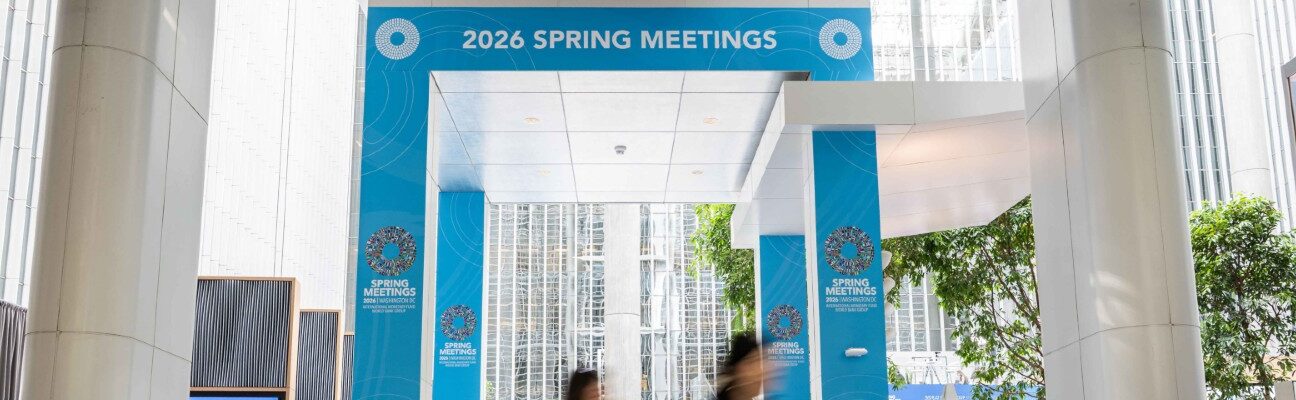
The Spring Meetings of the International Monetary Fund (IMF) and the World Bank took place last week at a moment of unprecedented global instability.
While ceasefires across Iran and Lebanon may yet offer brief relief, the humanitarian consequences of these wars are already rippling across the world, and they will continue to do so for months, if not years.
As ever, the burden will fall disproportionately on the most vulnerable. Low- and middle-income countries, still recovering from COVID-19, the war in Ukraine, and rising trade tensions, now face renewed shocks to energy, food, and fertiliser markets.
The human cost
Predictably, the Spring Meeting’s agenda was dominated by economics and finance. The IMF warned that further escalation in Iran could push the global economy into recession. But the most striking aspect went largely unaddressed: the human cost.
For people across the Middle East and the Global South, this crisis is not defined by market volatility or GDP forecasts. It is experienced through dead bodies, livelihoods destroyed, and deepening poverty. Yet there was little urgency around providing grant-based finance to meet immediate needs.
Rising prices, growing hunger
The impacts are already visible. The World Food Programme has warned that rising food and fuel prices could drive global hunger even higher. Meanwhile, the Food and Agriculture Organisation projects fertiliser prices could increase by up to 20%, placing additional strain on food production.
Countries such as Somalia, Kenya, and Mozambique, all heavily reliant on fertiliser imports, are especially vulnerable. For farmers in these regions, higher costs could mean reduced yields and worsening food insecurity.
Rising fuel prices and supply chain disruptions, often framed as abstract economic pressures, are choking humanitarian operations. In Myanmar, Christian Aid partners report that transport costs are rising and access to vulnerable communities is becoming more difficult. Inflation is also eroding household purchasing power, pushing more people into crisis.
A familiar response
Before the war, the IMF warned that by 2030, up to 60% of the global poor may live in fragile and conflict-affected states. This major escalation will increase vulnerability to economic shocks, reduce export revenues in energy-importing fragile states, increase debt service burdens as interest rates rise with global instability, and make borrowing more expensive for already indebted governments.
In times of crisis, both the Bank and the IMF have an important role in helping countries. In many ways, it’s when these institutions are most powerful. Yet, questions of legitimacy and whether they are fit for purpose from Global South countries rightly loom large, especially since policy conversations at the Bank and Fund last week seem limited to their usual toolbox of caution, capacity building and more lending.
We saw this during COVID-19, when many developing countries received support in the form of loans rather than grants, leaving them more indebted and less able to respond to future shocks. Structural issues in the global financial system that incentivise spending on fossil fuels and sustain a dysfunctional debt system that rewards creditors making a profit from crisis were left largely unchanged.
A moment for change
This crisis should mark a turning point. Instead, there are worrying signs of history repeating itself. The scale of today’s crisis demands urgency, structural change and a commitment to putting the most vulnerable communities first. Yet the signals emerging from the Spring Meetings suggest these institutions are still operating within old constraints, the same formulas and prioritising the needs of the richest countries.
We are calling on the IMF and World Bank to:
- Provide grant-based finance that does not add to debt burdens.
- Cancel debt for the most affected low-income countries.
- Issue new Special Drawing Rights (SDRs) to boost liquidity.
- Suspend IMF surcharges, which increase pressure on countries in crisis.
This Spring Meeting, we called on these institutions to change their orthodox policy approach, to position themselves to effectively support the most vulnerable countries in responding not just to the current crisis, but the multiplicity of crises they face—many of which their previous policy approaches have contributed too —including unsustainable debt, climate change and fragility and violence, so that these countries can command the future of their development.
After much talk of global financial reform, it’s time for these institutions and their powerful shareholders, including the UK government, to cede power and scrap business as usual. If they fail to do so, continuous global crisis will contribute to growing instability for us all.

Category
News & views