Imagine spending months crafting a campaign about poverty or climate destruction, only to find your audience is arguing about pixels instead of people. That is exactly what is happening to some of the world’s best-known organisations in the charity and development sector.
 Webinar
This session explored the issues facing our sector amid an Atlantic cutback on commitments to overseas aid and climate action.
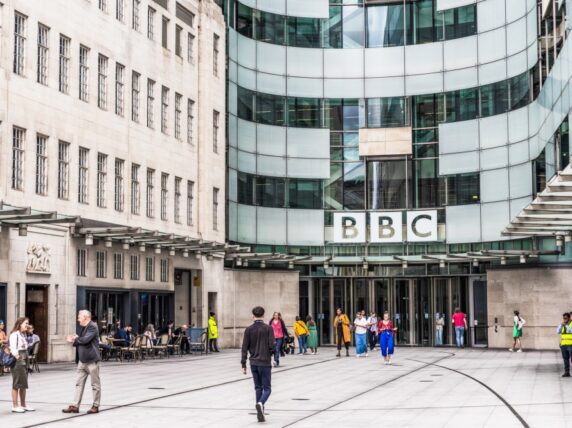
The government has launched a public consultation that will inform decisions around the future of the BBC. If you want to see more and better programmes about our world, we urge you to complete the survey. Here’s why it matters and some key questions to address.
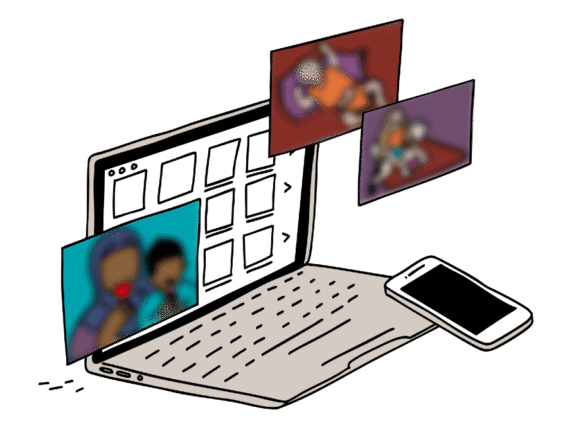
Save the Children Germany, together with jugendschutz.net, has developed a guideline on the sensitive handling of children’s photos and videos in institutions and organisations. It is based on extensive discussions with specialists from child and youth protection organisations, as well as the police. Find out more from Britt Kalla.
The question isn’t whether AI-generated imagery is inherently problematic. It’s about who controls the tools, whose perspectives shape the outputs, and whether we’re willing to invest in community capacity to produce representations at a scale that can genuinely challenge entrenched biases.
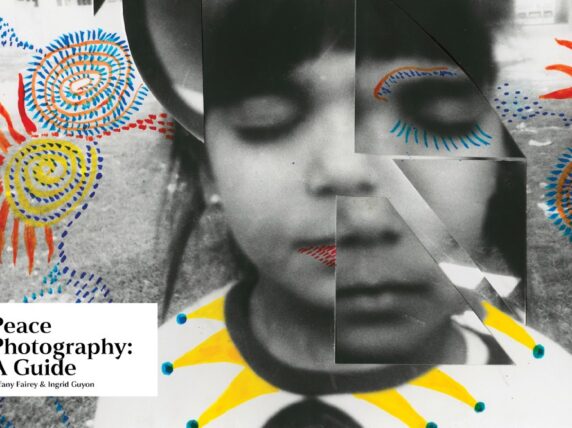
Peace is not a moment but a daily, collective process – and it deserves to be photographed. Ingrid Guyon explains the unique nature of this branch of photography, and how it can be a powerful tool across the humanitarian and development sectors.
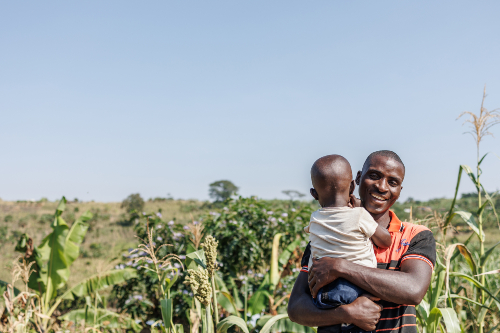
Three years ago, we launched #OverExposed, a campaign urging the development sector to re-think its approach to storytelling. We wanted…